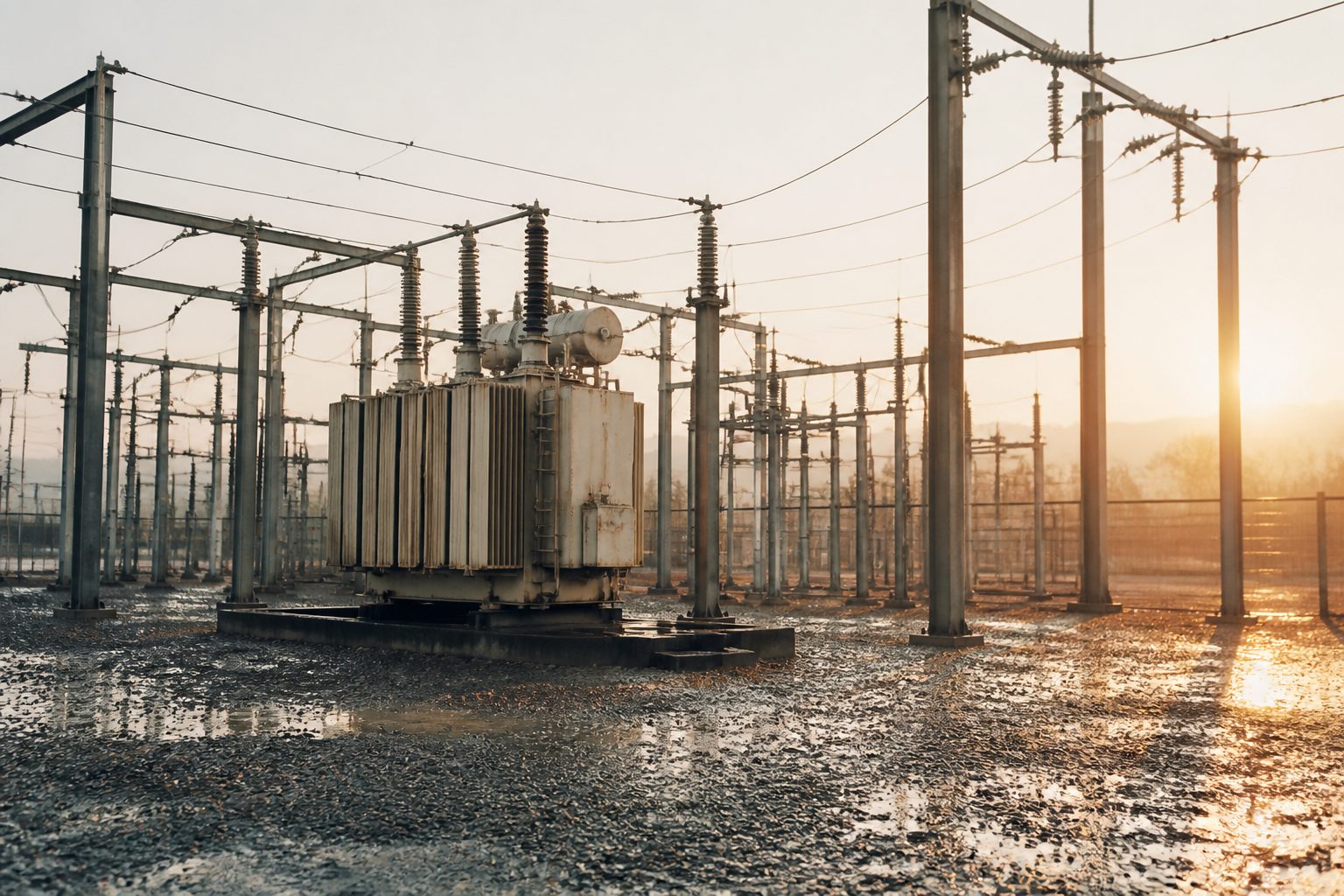
Apple, Microsoft and other campus tenants already have halls in Dublin and Meath. Clonee, Grange Castle and the halls off the M50 already run. The Dublin-region pause is public. A hall can sit next to a grid that is still writing letters.
A rate treats Dublin as flattered to see you. EirGrid treats new load as a queue. Meath can already have a live hall. A new Dublin-region rack can still wait on a letter. Those are different Irish products.
EirGrid is the transmission system operator. It runs the wires that connect Dublin, Meath and the rest of the island. When hyperscalers and colocation operators ask for more load, EirGrid does not answer with a courtesy. It answers with a queue, a study, or a pause.
One treats the tax rate as proof the watts are available. One treats a windowless building off the M50 as proof the grid agreed. One reads a quiet quarter as proof EirGrid stopped caring. Halls will go on drawing load. EirGrid does not forget a Dublin-region pause either.
Clonee, Grange Castle, and the M50 halls
Clonee and Grange Castle are the names that belong on the map before the slide ends on policy. They are Meath and Dublin-region addresses where campus tenants already put steel in the ground. They are windowless buildings on a ring road that already run while a new connection elsewhere waits on paperwork.
Ireland spent a generation being good at the last mile of global capital: legal certainty, a workforce, a tax story people could explain on a plane. That work got Apple and Microsoft in the door. It got Equinix and Digital Realty into the same conversation. It did not replace a grid study. A campus already live in Meath is a machine. A hall waiting on a letter is a tax story that ran ahead of a watt.
The Dublin-region pause was public. EirGrid publishes the constraint. A minister who still pitches the tax rate as the Irish product is pitching last decade. The rate got them in. The watt decides if they run. It is the whole Irish problem, stated as live halls in one county and a queue in another.
Apple, Microsoft, Equinix, and Digital Realty
Apple and Microsoft are the campus names most readers already know on an Ireland screen. They are not interchangeable with EirGrid. They are tenants with halls, not a grid operator with a connection calendar. Equinix and Digital Realty already sit in that queue with the campus names. Colocation is the honest second sentence when the first sentence is hyperscale.
Apple trades as AAPL. The campus names got the halls. EirGrid still writes the letter. Equinix and Digital Realty sit in the same Dublin-region queue. A live interconnect by 31 Dec 2028, or a named refusal, is the object. A tax rate does not light a rack. Colocation and hyperscale share the island. They do not share a connection date.
A working interconnect would let a named campus show load on the wire in a filing, not in a brochure. That filing does not exist yet on the terms this page cares about. EirGrid already runs halls that are live. It also already paused new data-centre connections in the Dublin region. Praise the invitation after you name who already has watts and who is still waiting on the operator.
EirGrid already published the constraint
The Dublin-region pause is public. It is the public object that separates this theme from another tax conference. Grids queue. Important users assume the grid is flattered to see them. EirGrid's job is to keep the system stable while load arrives faster than the wires can absorb it.
This is Mexico's border plant and Germany's chemical works in a friendlier accent. In each case the building arrived before the operator finished the sentence about supply. Ireland is unusually good at making the building look finished. Windowless halls, ring-road addresses, a workforce that speaks the language multinationals want on earnings calls. None of that is a connection date.
A year through 31 Dec 2028 with no named Irish campus disclosing a live interconnect, or a named refusal, closes this read. Until then, the honest uncertainty is whether a campus puts the watt on the record before the tax slide forgets who already runs and who still waits.
If a named campus discloses a live interconnect while Clonee and Grange Castle were already on the map, the public notice moved second and the halls were first. If EU power prices move without a named Irish interconnect filing, something else is driving the print. If Ireland stays quiet while halls off the M50 run on ordinary quarters, the operators are doing their job and the queue is still the story. Quiet is live load doing what the buildings were built to do while the next connection waits on a letter.
A named interconnect, or a named refusal, is the document that counts. Read EirGrid before the tax rate. Read Meath before the Dublin-region rack. A speech about digital Ireland is optional.
The map is Clonee, Grange Castle, halls off the M50, Equinix, Digital Realty, Apple, Microsoft, and only then a letter from EirGrid that names the watt or refuses it.
Ask for the letter from the grid. Then talk about tax. The hall is already in Dublin or Meath. EirGrid publishes the constraint. The tax rate does not. The product is the connection letter, not the last decade's invitation.