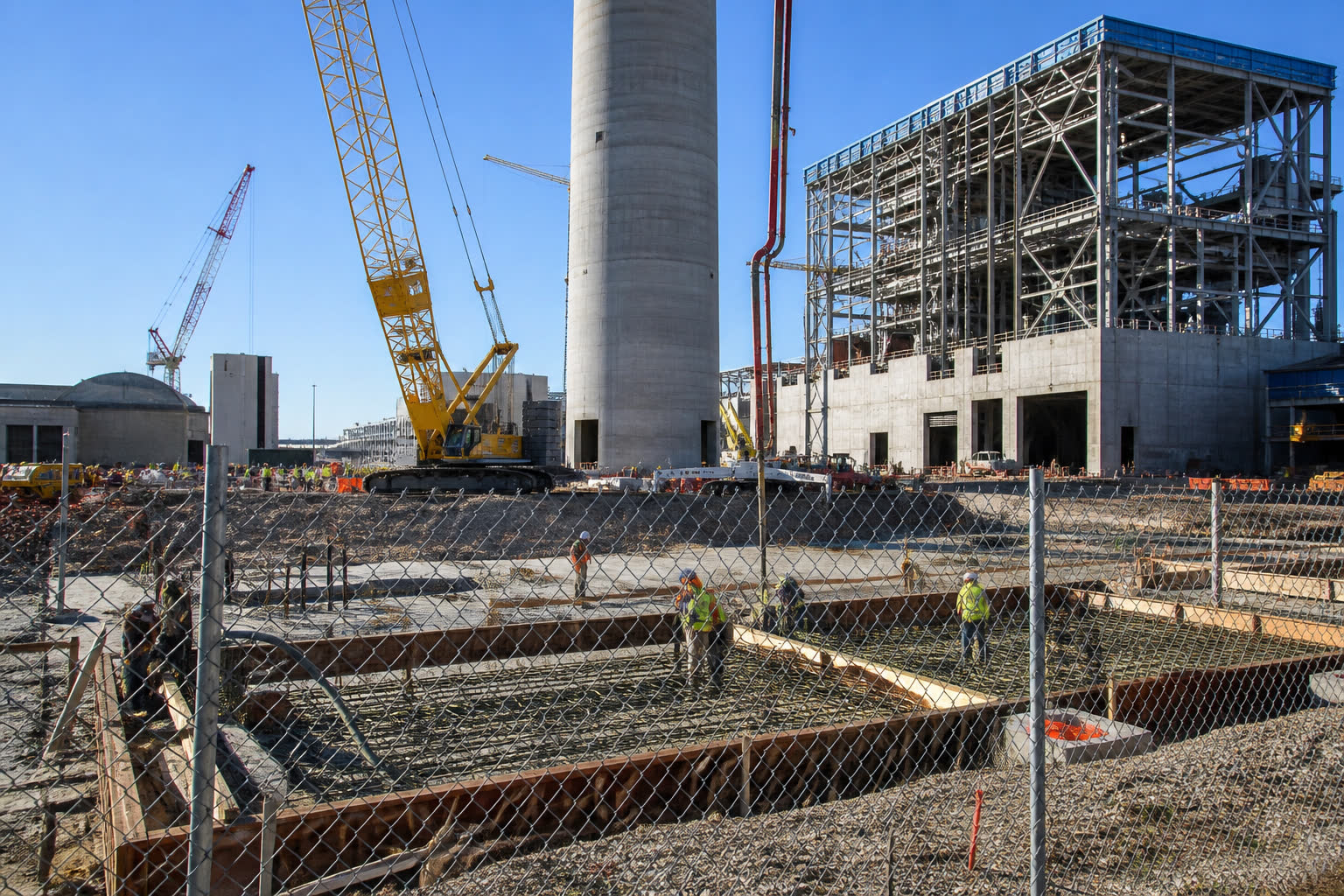
United Rentals, on 22 July 2026, printed fleet productivity of 3.4 percent for the quarter ended 30 June. Used equipment sales sold 624 million dollars of original equipment cost and recovered 52.9 percent. GAAP gross margin on those sales was 46.7 percent. Adjusted gross margin was 47.3 percent. A rental is time on a machine. Capex comes back as used iron.
A crane burns an hour. Capex comes back as used iron.
The company calls the combined impact of rental rates, time utilization, and mix on owned-equipment rental revenue fleet productivity. Average original equipment cost was up 7.1 percent from a year earlier. Assumed fleet inflation took 1.5 percent off. Ancillary and re-rent added 3.7 percent and are not owned-equipment rental. Rental revenue was 3.849 billion dollars, up 12.7 percent. The hour sits inside the 3.4. The 7.1 is more iron on the lot.
The company called time utilization historically high, and record, on that same print. It did not print the integer. Fleet productivity is the cited object because it is the object the filing defined. A later quarter that splits out a standalone time-utilization figure can be written as an hour. This quarter cannot.
Capex buys the iron. Depreciation takes it down. The used sale is how the iron comes back as cash. Payments for purchases of rental equipment were 1.953 billion dollars in the quarter and 2.720 billion year to date. Proceeds from sales of rental equipment were 330 million dollars in the quarter and 680 million year to date. Gross rental capital expenditures year to date were 2.931 billion dollars, 2.251 billion after those used proceeds. That is a residual, not a software line.
The company said it was on track to sell approximately 2.8 billion dollars of fleet, original equipment cost, in 2026. The residual is that recovery. General rentals were 2.418 billion dollars, up 6.6 percent. Specialty was 1.431 billion, up 24.8 percent. Mix lives inside fleet productivity. The 22 July results named a fleet at 23.75 billion dollars of original cost and 1,665 North American rental locations. Average fleet age was 47.4 months at 30 June. Rental equipment, net, sat at 17.350 billion dollars against 16.069 billion at 31 December 2025. The net book is not the original cost. The original cost is the iron the recovery is measured against.
The raised 2026 outlook is more iron because the hour is tight. Gross rental purchases 4.85 billion to 5.25 billion dollars. Net 3.4 billion to 3.8 billion after used proceeds of 1.35 billion to 1.55 billion. That pairing is the residual written forward. Time utilization still has no integer on this file.
United Rentals, on 22 July 2026, printed fleet productivity of 3.4 percent and used-equipment original-equipment-cost recovery of 52.9 percent. A rental is time on a machine. Capex comes back as used iron. Fleet productivity is the hour. Used-equipment recovery is the residual.